News & Tips
Things to Know About Tax Returns and Identity Theft
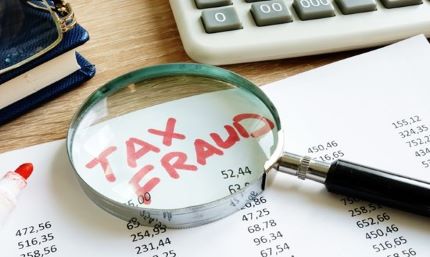
It’s that time of year again—tax season. Unfortunately, it also means the risk for tax-related identity theft becomes an increasing threat. The IRS' Taxpayer Protection Program flagged 2.8 million tax returns for suspected identity fraud in the 2024 tax season. Tax identity theft occurs when someone falsely uses your Social Security number to obtain a tax refund or a job. Read on for some helpful tips to help protect yourself from tax fraud.
1. File Early
Tax scammers typically file early, hoping to beat taxpayers and claim your refund. Most victims don’t find out until they file a return; The IRS strongly encourages taxpayers to file early to reduce falling victim to identity theft-related tax fraud. Many employers also offer W-2s electronically as an option, but if you’re waiting on paperwork, and unable to file early, you can obtain your Personal Identification Number (PIN) from the IRS. Requesting your PIN can help prevent anyone else from electronically filing under your name.
2. Research Your Tax Preparer
If you are using a tax preparation service, make sure you’ve done your research to ensure they’re qualified and knowledgeable. It’s not uncommon for illegal identity theft rings to take place in brick and mortar locations every year. Before handing over any confidential information, verify their CPA status and ask for a Preparer Tax Identification Number.
When using an online tax preparation software, be sure that it’s a reputable service (check against third-party sources), use multi-factor authentication, use strong login credentials, and file your taxes on a secure password-protected Wi-Fi network. It’s also a good idea to use security software, such as a firewall and antivirus protections to add another layer of protection.
3. Keep Watch for Notices from the IRS
Any of the following notifications from the IRS are red flags:
- IRS records showing wages from an employer you don’t recognize.
- A notice from the IRS stating more than one return has been filed using your Social Security number.
- You have had a tax refund offset, additional taxes are owed, or collection actions are being taken against you for previous years where you didn’t file a tax return.
- You receive any notices from the IRS about online account activity that you haven’t done.
- You receive an Employer Identification Number (EIN) that wasn’t at your request.
- If you’re expecting your W-2s in the mail, and your employer says they were sent, but you never receive them.
The IRS will provide a number on the notice that you can call immediately.
4. Never Provide Sensitive Information through Email or Text
IRS fraudsters frequently use email accounts and phone numbers that look legitimate. Upon contact, they will request personal information that allows them to file a tax return on your account.

A Word of Caution
Stay alert and don’t respond to ”IRS” messages where you didn’t start the conversation. If you have any questions or concerns, dial 800-829-1040 to call the IRS directly. Be sure to report any suspicious activity to the IRS.
If manually filling out tax forms and filing by mail, it’s important to remember to never mail the return from your home mailbox. To ensure safety and avoid mail tampering, return your completed tax forms to a local post office.
5. Handle Sensitive Information Carefully
You can offer additional protection against tax fraud by taking simple steps to protect yourself year round.
- Tax-return identity theft often stems from a stolen or lost Social Security number. To help avoid identity theft, leave your Social Security card in a secure location, such as in a safe at home. Do not carry your Social Security card in your wallet, purse, or car.
- When disposing of past and current bank and tax-related documents, ensure your information will not be leaked by properly disposing of forms. Shredding your tax, bank, and credit card statements is the safest way to dispose of these items without compromising your financial health. Here are more tips for safeguarding your personal information.
- Stay informed of current data breaches in case you may be at risk. Find out what information has been compromised, and stay in constant contact with the company to find out what needs to happen next.
You can also can go to annualcreditreport.com to review your free annual credit report from each of the three nationwide credit reporting agencies to check for fraudulent accounts. You can also see your FICO® Score for free in your SCCU Online and Mobile Banking account to monitor your credit score.
How to Report Tax ID Theft
If you are a victim of tax-related identity theft, here’s what to do next:
- Immediately call the IRS at 800-829-1040. Here’s more information about next steps for specific scenarios.
- File a report with the Federal Trade Commission.
- Place a fraud alert on your credit report. An alert can stay active for 90 days, but an extended alert can protect you for seven years. Place a fraud alert on your credit report by contacting one of the three major credit bureaus:
- Experian: 1-888-397-3742
- Equifax: 1-888-298-0045
- Transunion: 1-800-916-8800
- Inform your financial institution and close any accounts that have suspicious activity.
You could also choose to freeze your credit to prevent any unauthorized accounts from being opened using your name. Here’s more information about freezing your credit.
Space Coast Credit Union (SCCU) Watches Out for Our Members
SCCU continuously works hard to keep our members protected from fraud. Do not give away any personal or financial information in response to unsolicited text messages, emails, or telephone calls. Just a friendly reminder that SCCU will never request member information via an outbound phone, email, or text messages. If you receive an unexpected call or text message, do not respond or click any links, please go to SCCU.com or your SCCU Online or Mobile Banking account directly. Feel free to reach out to us if you have any questions.