News & Tips
Hurricane Preparation Checklist
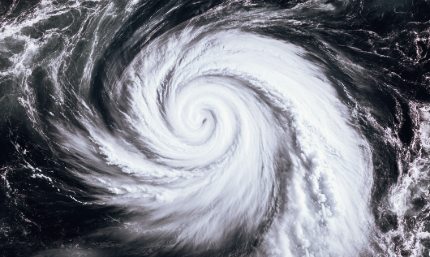
Living in Florida means enjoying sunshine and beautiful beaches, but it also means being smart about hurricane season. The Atlantic hurricane season officially runs from June 1 to November 30, and being prepared is the best way to keep you, your family, and your home safe. Taking a few simple steps now can make a world of difference when a storm is on the horizon. Let's walk through a straightforward guide to help you get ready.
Build Your Hurricane Supply Checklist
The best time to gather supplies is well before a storm is in the forecast. Waiting until the last minute often leads to empty shelves and added stress. A good plan is to have enough essentials to last your household for at least three to seven days without power or running water.
Essential Supplies to Stock Up On:
- Food and Water: Non-perishable food items (canned goods, protein bars, dried fruit) and at least one gallon of bottled water per person, per day. Don't forget a manual can opener.
- First-Aid Kit: Bandages, antiseptic wipes, pain relievers, and any personal prescription medications. Make sure you have enough medication to last for at least a week.
- Power and Light: Flashlights and a battery-powered or hand-crank radio are crucial. Gather extra batteries in various sizes for all your devices. Portable power banks for charging cell phones are also a must-have. Additionally, an emergency generator is great to have.
- Personal Items: Toiletries, sanitary wipes, and any necessary items for infants or elderly family members.
- Cash: Electronic payment systems may be down during and after a storm. It’s wise to have some cash on hand for essential purchases.
Tip: Freeze a few water bottles ahead of a storm (leave some room at the top for expansion). You can use them in your cooler to keep food cold or as extra drinking water once they melt.
Create a Family Emergency Plan
Knowing what to do and where to go is a critical part of storm safety. A well-thought-out plan reduces confusion and helps everyone stay connected.
Know Your Evacuation Zone and Route
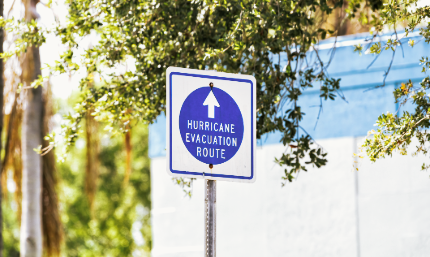
 Find your evacuation zone ahead of time and be ready to leave if officials issue an order. Decide on your evacuation route and destination ahead of time, whether it's a friend's house inland, a hotel, or a public shelter.
Create a Family Communication Plan
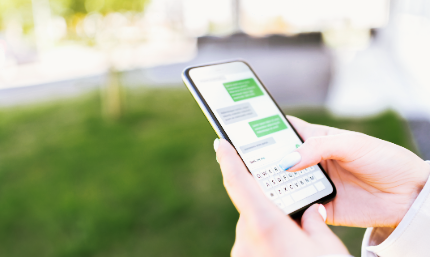
 We also encourage establishing a family communication plan because cell service can be unreliable during a disaster. Designate an out-of-state friend or relative as a central contact point for everyone to check in with. Text messages and social media apps often get through when calls don't.
Secure Important Documents
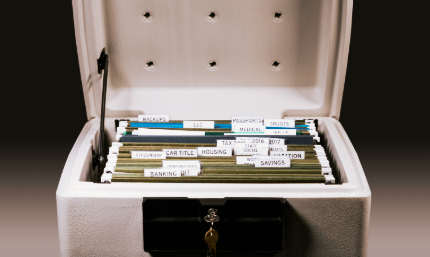
 Place copies of important papers in a waterproof container that you can grab and go. This includes insurance policies, birth certificates, social security cards, and bank account information. Having digital copies stored securely online is also a great idea.
Determine What to Do with Pets
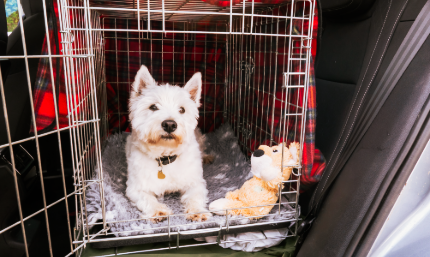
 Your pets are part of the family, so they need a plan too. Prepare a kit with their food, water, medications, and vaccination records. Identify pet-friendly shelters or hotels in advance, as not all emergency shelters accept animals.
Prepare Your Home for the Storm
Your home is your biggest asset and taking steps to protect it can minimize potential damage. These storm safety tips will help you secure your property before high winds and rain arrive.
- Review Your Insurance: Take time now to review your homeowner's insurance policy. Understand your hurricane deductible and confirm whether you have adequate flood insurance, which is often a separate policy. Keep your insurance company's contact information easily accessible.
- Secure the Exterior: Clear your yard of anything that could become a projectile in high winds. This includes patio furniture, grills, planters, and toys. Trim any dead or overhanging tree branches that could fall on your home. Also, be sure to clean out your gutters and downspouts to prevent water damage.
- Protect Windows and Doors: If you have storm shutters, make sure they’re in working order and that you have all the necessary hardware. If you don’t have shutters, you can board windows with plywood.
- Consider Home Upgrades: A Home Equity Line of Credit (HELOC) can be a smart way to finance home improvements like impact-resistant windows or a reinforced roof, which can provide better protection and may even lower your insurance premiums.
Additional Hurricane Resources
Learn more about how to prepare for a hurricane and how to get help if one strikes with these resources:
- FloridaDisaster.org
- Ready.gov
- National Hurricane Center
- Florida Division of Emergency Management
- Telephone Number: 850-815-4000
- Florida Highway Patrol
- American Red Cross
- Federal Emergency Management Agency (FEMA)
- 1-800-621-FEMA (3362)
- Teletypewriters (TTY): 800-462-7585
- 770-220-5200 (Local: Region 4, Florida Regional Office)
Stay Safe and Take Action Today
Preparing for a hurricane may seem like a daunting task, but every step you take now is an investment in your safety and peace of mind. Remember, hurricanes are unpredictable, but your readiness doesn’t have to be. By following this guide, you’re not just protecting your home and loved ones—you’re empowering yourself to face the storm with confidence.
Stay informed, stay prepared, and stay safe. Together, we can weather any storm.